Attractions of Western Cape
Cango Caves
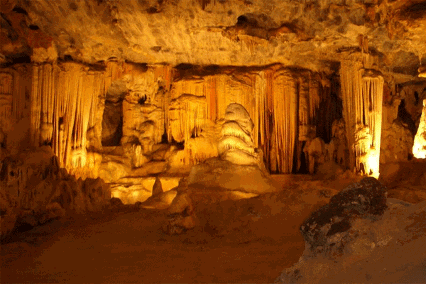 | OPENING HOURS: 09:00 - 16:00 Adults: R 75.00
• Common myth has it that the Caves were first explored by a local farmer named Jacobus van Zyl (after who the first chamber, van Zyl's Hall, was named) – although research fails to reveal anybody by that name in the Cango area in the 1770's. |
Cape Point
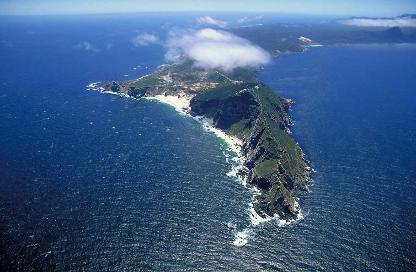 | At the tip of the Cape Peninsula 60 km south-west of Cape Town, lies Cape Point, a nature reserve within the Table Mountain National Park; a declared Natural World Heritage Site. The scenic beauty of Cape Point is not its sole allure; it is also an international icon of great historical interest with many a visitor drawn to the area because of its rich maritime history. Named the ‘Cape of Storms’ by Bartolomeu Dias in 1488; the ‘Point’ was treated with respect by sailors for centuries. By day, it was a navigational landmark and by night, and in fog, it was a menace beset by violent storms and dangerous rocks that over the centuries littered shipwrecks around the coastline.
|
Kaapse Klopse Festival
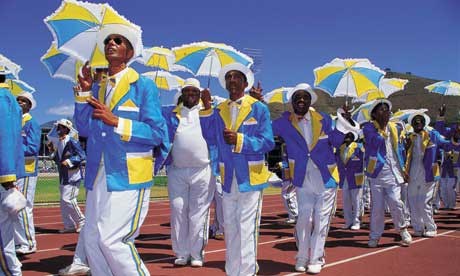 | The Kaapse Klopse (or simply Klopse) is a minstrel festival that takes place annually on 2 January, in Cape Town, South Africa. As many as 13,000 minstrels take to the streets garbed in bright colours, either carrying colourful umbrellas or playing an array of musical instruments. The minstrels are grouped into klopse ("clubs" in Kaapse Afrikaans, but more accurately translated as troupes in English). Participants are typically from Afrikaans-speaking working class Cape coloured families who have preserved the custom since the mid-19th century.
The festival begins on New Year's Day and continues into January. Festivities include street parades with singing and dancing, costume competitions and marches through the streets. While many troupes now are supported by corporate sponsors, many refuse and remain sticklers for tradition. The 2005 carnival was nearly cancelled due to an alleged lack of funding, while the 2006 carnival was officially called off for the same reason. However, the troupe organisations subsequently decided to go ahead with the parade despite continued unhappiness over funding, and the festivities were opened by Western Cape premier Ebrahim Rasool on 2 January 2006. |
Ratanga Junction
 |
Location
Rides: Attractions:
|
Robben Island
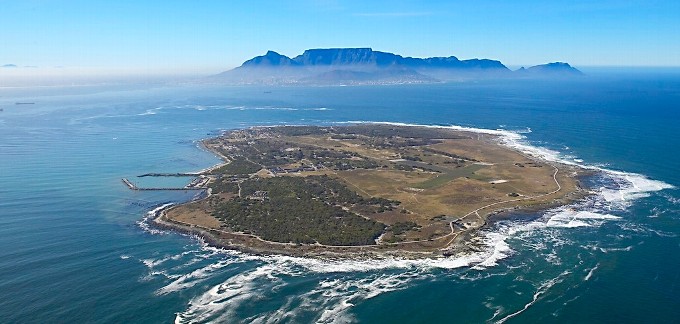 |
The three and a half hour tour includes a return trip across Table Bay, a visit to the Maximum Security Prison, interaction with an ex-political prisoner and a 45 minute bus tour with a guide providing commentary. People lived on Robben Island many thousands of years ago, when the sea channel between the Island and the Cape mainland was not covered with water. Since the Dutch settled at the Cape in the mid-1600s, Robben Island has been used primarily as a prison. Indigenous African leaders, Muslim leaders from the East Indies, Dutch and British soldiers and civilians, women, and anti-apartheid activists, including South Africa's first democratic President, Nelson Rolihlahla Mandela and the founding leader of the Pan Africanist Congress, Robert Mangaliso Sobukwe, were all imprisoned on the Island. Robben Island has not only been used as a prison. It was a training and defence station in World War II (1939-1945) and a hospital for people with leprosy, and the mentally and chronically ill (1846-1931). In the 1840s, Robben Island was chosen for a hospital because it was regarded as both secure (isolating dangerous cases) and healthy (providing a good environment for cure). During this time, political and common-law prisoners were still kept on the Island. As there was no cure and little effective treatment available for leprosy, mental illness and other chronic illnesses in the 1800s, Robben Island was a kind of prison for the hospital patients too. Since 1997 it has been a museum and a heritage site. The museum is a dynamic institution, which acts as a focal point of South African heritage. It runs educational programmes for schools, youths and adults, facilitates tourism development, conducts ongoing research related to the Island and fulfils an archiving function. |
Sandy Bay Beach
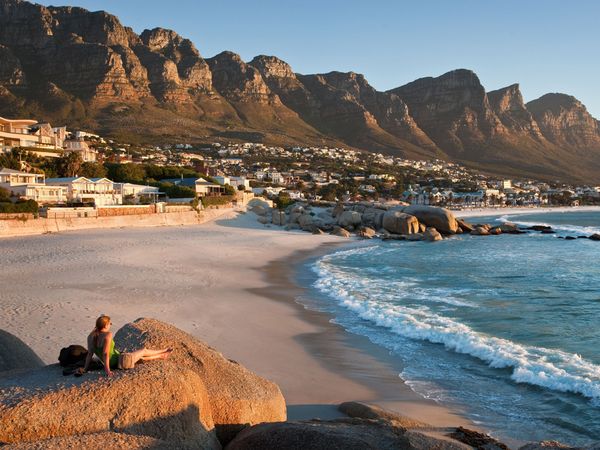 | Sandy Bay Beach is known for its natural beauty. This is a popular Cape Town nude beach, however you do not have to go for that all over tan to enjoy this beach, the option is yours. The beach is located in a secluded bay just past Llandudno beach. Enclosed by sand dunes and the backdrop of mountains the beach is very well protected from most wind directions. A good walk from the nearest car park and not easy to reach, Sandy Bay is backed by steep dunes and bushy slopes,
|
Strawberry Farm
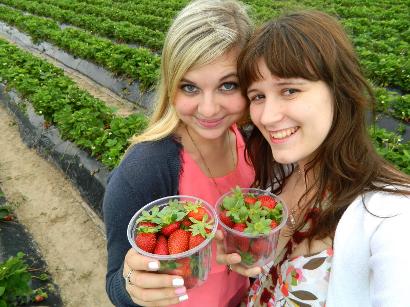 | Mooiberg Farm: Cape Town Fruit Picking: |
Table Mountain
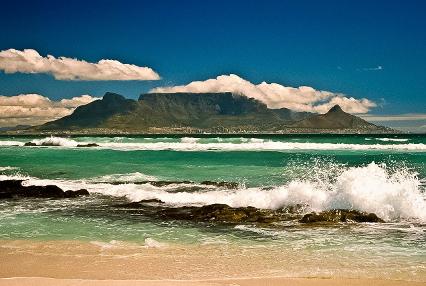 | What to See The Lower Cable Station is situated approximately fifteen-minutes drive from the city centre on Tafelberg Road.
|
Two Oceans Aquarium
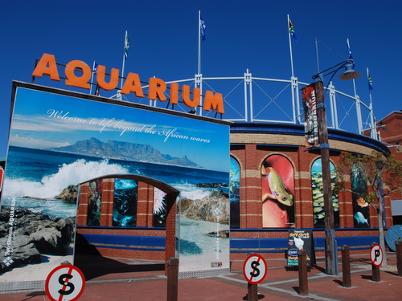 | With more than 3000 marine creatures on view – including sharks, turtles and penguins – the Two Oceans Aquarium is one of the finest aquariums in the world.
The Aquarium presently contributes almost R5 (9%) of every adult ticket sold to education programmes. The Two Oceans Aquarium is committed to environmental education in South Africa and to promoting positive changes towards the management of our marine resources. Over the years it has steadily increased its input in environmental education and today the value of its education programmes is in the region R4-million per annum. |
Whale Watching: Hermanus
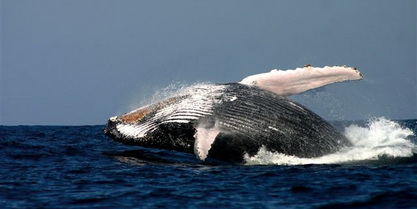 | Communication Lifespan Whale watching tips *You can spot whales by looking for white patches in the ocean where the waves break on their bodies.
Adults R 600 |

